
Cooking Hacks with Chef Joe Sasto
The chef and cookbook author on why he always keeps a spray bottle nearby, the importance of resting mid-knead, and which pasta is your best friend!
Joe Sasto is a chef, Food Network and Top Chef star, pasta and pizza entrepreneur, and cookbook author. His debut cookbook, Breaking the Rules, takes a creative twist on Italian classics that will inspire you to cook boldly and have fun in the kitchen.
There’s no shortage of pasta “rules” and so-called traditions out there, and Joe has spent years in Michelin starred kitchens, learning which ones to keep and which to toss out the window. Cooking pasta should be creative, forgiving, and fun — not a test of precision or tradition. These are some of my favorite unconventional tips that make pasta-making easier, better tasting, and more joyful.
Joe's Cooking Hacks
The Cold-Water Pasta Method
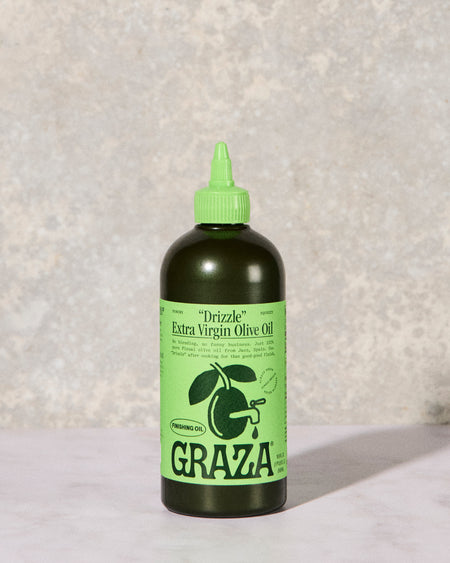
You don’t need a giant pot of boiling water. Start your dried pasta in cold, salted water, just enough to cover the noodles. The pasta hydrates gently and releases starch right into the water, which becomes your built-in sauce base. It cooks more evenly, uses less water, and cuts your cooking time in half. (Just don’t forget to stir and prevent sticking while bringing to a boil) Finish with a drizzle of Drizzle to bring everything together with that glossy, golden sheen.
Keep a Spray Bottle Nearby
The most underrated pasta tool in my kitchen isn’t a roller or cutter, it’s a simple water spray bottle. A few light spritzes keep your sheets of pasta pliable while you work, especially during shaping and filling. It’s the key to perfectly sealed ravioli or tortellini, without ever making the dough sticky or soggy. Sometimes all you need to bring a dry dough together isn’t another egg, but a few quick spritzes. Think of it as precision hydration for your pasta.
Rest Mid-Knead
Here’s a pro move: don’t knead your pasta dough in one go. Mix and knead it about halfway, then cover and let it rest for 15–20 minutes before finishing. This break lets the flour fully absorb moisture and the gluten relax, which makes the second round of kneading noticeably smoother. You’ll feel the difference immediately - the dough becomes silkier, stronger, and easier to roll. Plus it gives you time for a quick espresso or wine break.
Dried Pasta Is Still Your Best Friend
Fresh pasta gets all the love, but dried pasta deserves respect. It’s consistent, resilient, and perfect for grabbing onto sauce. When I reach for dried pasta, I’m looking for a few key things. First, it should be bronze-cut — that rough, matte texture grips sauce beautifully. I also look for pasta that’s slow-dried at low temperatures, which keeps the wheat flavor intact instead of tasting flat or starchy. It has to be made from 100% durum wheat semolina for that firm, springy bite I love. And I want it to look pale and slightly chalky, never shiny.
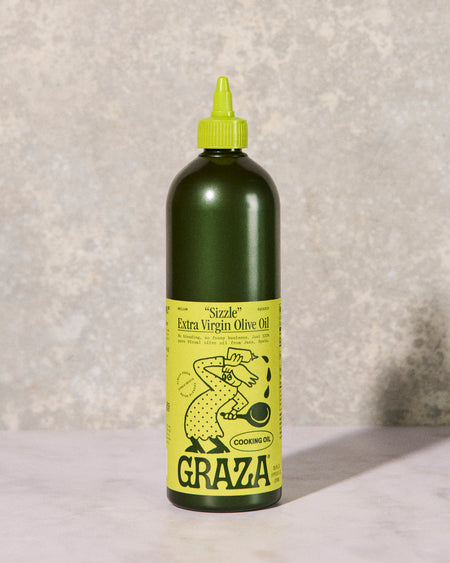
Those little details are what separate average dried pasta from the kind that makes you forget it ever came from a box. Always finish your dried pasta directly in the sauce pan with a little cooking water and a drizzle of Graza Sizzle — that’s how you get that creamy, restaurant-style emulsion without cream or butter.
Don’t Overthink It
Some of the best pasta dishes are the simplest. Melted butter, freshly grated Parmigiano, and a generous pour of Graza Drizzle can turn plain pasta into something that feels special. When the ingredients are good, you don’t need to hide behind complexity. The secret is restraint — and confidence that less really can be more.
Leftover Filling Becomes Tomorrow’s Sauce
Never toss extra filling. Whether it’s ricotta, meat, or roasted vegetables, you can turn leftovers into sauce with just a bit of starchy pasta water and olive oil. Stir, taste, and adjust until it coats a spoon. You’ll get something that feels entirely new, even though it started from yesterday’s prep. It’s the most delicious kind of kitchen efficiency.
Find a Filling You Love, Then Break the Rules
Once you’ve nailed a flavor combo, use it everywhere. A truffle ricotta filling can work just as beautifully in cappelletti as it does in stuffed shells. Don’t get caught up in traditional pairings, or certain shapes that “traditionally” use a certain cheese - that’s where creativity starts to fade. My philosophy in Breaking the Rules is simple: if it tastes good, it works.
The Pizza Box Trick
This one always surprises people. The best way to store fresh pasta isn’t plastic wrap, it’s a clean pizza box dusted with semolina. The cardboard absorbs excess moisture and keeps your pasta aerated, so it stays dry and never sticks together. It’s how I store filled pasta overnight without losing shape or texture. The porous cardboard prevent sticking, controls airflow so the dough doesn't over-dry and whisks away any extra moisture on the surface. Practical, sustainable, and very Italian nonna-approved.
Olive Oil as Dough Conditioner
A small drizzle of Sizzle or Drizzle in your pasta dough adds flexibility and a subtle depth of flavor. It helps the dough roll out smoothly and makes the texture a touch more tender once cooked. I use this especially for eggless doughs, where the olive oil gives richness that would otherwise come from yolk.
Cook with Curiosity, Not Rules
The best pasta dishes aren’t about technique - they’re about curiosity. Try mixing shapes, blending sauces, tossing cooked pasta through flavored oil, or turning your favorite filling into a spread for crostini. The point isn’t to follow tradition perfectly, it’s to make food that makes you happy. That’s the energy behind Breaking the Rules - and the reason I keep a bottle of Graza within arm’s reach every time I cook.